
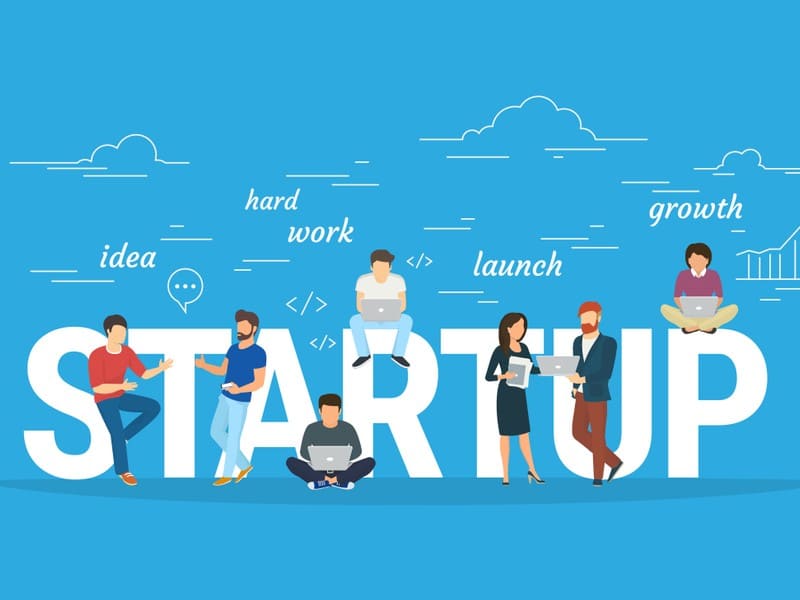

There’s no magic formula for building a successful startup, but there are patterns. Most winning companies follow a few core principles: they solve real problems, build something people actually want, and execute consistently over time.
This guide cuts the noise and focuses on what actually moves the needle.
Start with a Real Problem
A startup succeeds when it solves a painful, clear problem.
Ask
- Who has this problem?
- How often do they face it?
- Are they already paying to solve it?
Strong startups don’t chase ideas, they chase problems worth solving.
Validate Before You Build
Don’t spend months building blindly.
Do this instead:
- Talk to 20–30 potential users
- Show them a simple version (even a mockup)
- Ask if they’d use or pay for it
If people don’t care early, they won’t care later
Build a Simple MVP
Your first product should be simple, not perfect.
Focus on:
- One core feature
- Fast launch
- Real user feedback
The goal is not perfection, it’s learning quickly.
Find Product–Market Fit
This is the turning point.
Signs you’re getting there:
- Users keep coming back
- People recommend your product
- Some users are willing to pay
Until this happens, don’t scale aggressively.
Focus on One Clear Audience
Trying to serve everyone usually means serving no one.
Start with:
- A specific group
- A specific use case
Example: Instead of “education platform,” target “Class 12 commerce students preparing for CUET.”
Clarity wins.
Build a Strong Team
Ideas don’t build companies, people do.
Look for
- Complementary skills (tech + business)
- Ownership mindset
- Ability to handle pressure
A strong team can fix a weak idea.
A weak team can destroy a great one.
Manage Money Carefully
Running out of money kills startups.
Focus on
- low expenses in early stages
- clear budget
- extending runway
Growth is important, but survival comes first.
Learn Basic Marketing Early
Even a great product won’t grow if no one knows about it.
Start simple
- content (blogs, reels, posts)
- community building
- word-of-mouth
You don’t need ads at the beginning, you need attention and trust.
Be Ready to Adapt (Pivot)
Many successful startups didn’t succeed with their first idea.
They
- listened to users
- changed direction when needed
Adaptation is not failure, it’s strategy.
Stay Consistent
Startups take time.
There will be
- slow progress
- doubts
- failures
What separates winners is consistency over months and years.
Think Long-Term
Avoid chasing quick money.
Focus on:
- building value
- solving bigger problems
- creating something scalable
Short-term thinking limits growth.
Long-term thinking builds real companies.
Learn from Real Examples
Successful companies like Zerodha and Flipkart didn’t grow overnight.
They
- solved real problems
- stayed consistent
- adapted to the market
That’s the pattern you should follow.
In Conclusion
Making a startup successful is not about luck—it’s about clear thinking and consistent execution.
The core formula:
- Solve a real problem
- Build something simple
- Listen to users
- Stay consistent
If you do these things right, success becomes a matter of time.