
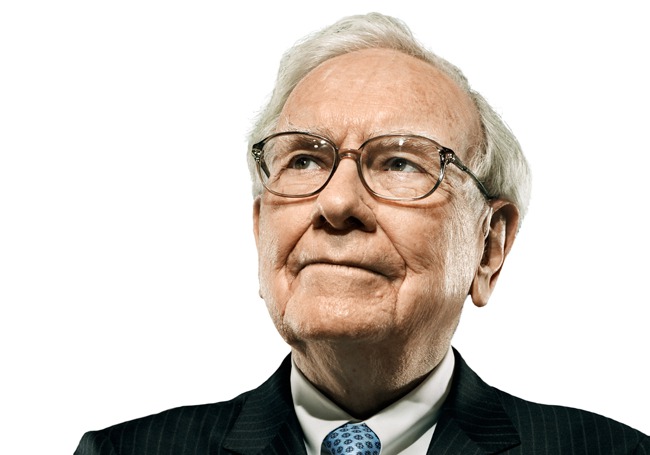

When People think about investing, the one name comes in their mind is Warren Buffett. He has built one of the greatest investing track in history. But what makes his investing from others? the answer is simple, he focuses on understanding businesses deeply instead of chasing short-term market hype. Through this blog we will know how Warren Buffett Analyze Stocks.
Understanding Business Model
In today's world, people are interested in trading like buying and selling stocks but Buffett always believes in long-term investing. This shows that he do not treat numbers moving on a screen. Instead, he treats them like a businesses.
The First thing Buffett looks at a company is its business model. He believes an investor should only invest in businesses they can easily understand.
For example, Buffett has invested in companies like Coca-Cola because the business is simple and easy to understand. People buy beverages every day, and the company has strong global demand.
Buffett avoids businesses that are complicated to understand or outside of his knowledge. As per his rules, Understanding how a company makes money is more important than simply following trends.
Checking Financial Statements
Another major part of Buffett's analysis is studying the financial health of a company.
These are the things which he looks on
- Revenue growth
- Net profit
- Debt levels
- Cash flow
- Return on Equity (ROE)
Buffett prefers stocks which produces consistently profits over many years. He avoids businesses with huge amount of debt because too much debt can become risky during difficult economic periods. Strong financial statements indicates that the company has a stable foundation and good management.
Looking for Competitive Advantage
Competition plays an important role in choosing stocks. Warren Buffett often talk about "economic moat" which means a company should have an strong advantage that it protects it from competitors.
A company's moat can come from
- Strong branding
- Customer loyalty
- Patents
- Network effects
- Unique products
For example: Apple Inc. has a loyal customer base and a powerful brand image. this gives the company an advantage over competitors.
Analyzing the Management Team
Buffett strongly believes that good management is essential for long-term success. Even strong company can have poor leadership.
He looks for management teams that are honest, disciplined, long-term focused and shareholder friendly.
Finding the Intrinsic Value

One of Buffett famous investing principle is finding intrinsic value. Intrinsic value means the real worth of a company based on its future earnings and business strength.
Buffett compares the actual value of the business with the current market price of the stock.
If the price of the stock is lower than the intrinsic value, it may become a good investment opportunity.
This is why Buffett says:
“Price is what you pay, value is what you get.”
Holding for Long-term Thinking

Unlike many investors who constantly buy and sell stocks, Buffett believes in holding investment for a long period of time,
Buffett understands that wealth is built slowly through patience and compounding. Instead of reacting emotionally to market crashes, he focuses on the long-term growth of quality businesses.
This mindset separates him from short-term traders.
Lessons Beginners Can Learn from Warren Buffett
There are many lessons investors can learn from Buffett's philosophy
- Invest in businesses which you understand
- Focus on long-term growth
- Avoid emotional decisions
- Study financial statements carefully
- Look for strong and trustworthy companies
Most importantly, Buffett teaches that investing is not gambling. It is about understanding businesses and making rational decisions.
“Great breakdown of Warren Buffett’s mindset. Clean and beginner-friendly blog