


If you have watched shark tank India or heard from somewhere that how a startup is valued at ₹100 crore or just became a unicorn, you might have a curiosity how startup valuation is calculated.
Startup valuation is not a rocket science or exact science. Except big companies with stable profits, startup are often based on future potential, not current earnings.
Through this blog, we'll breakdown Through how startup valuation is calculated in a simple and practical way so you can clearly understand how it works.
What is Startup Valuation?

Startup valuation is the process of determining how much a startup is worth.
valuation decides
- how much equity founders will give
- how much investors will invest
- the ownership structure of the company
Simple formula idea
Valuation = What investors believe your startup can become in the future
Pre-Money and Post-Money Valuation
There are two important terms that you must have understand
- Pre-Money Valuation
This is the value of the startup before investment like bootstrapping. we have explained this in How startup funding works blog, do check it out.
- Post-Money Valuation
This is the value after investment is added.
for example: if a startup is valued at ₹10 crore (before funding) and investment received is ₹2 crore,
Post money valuation is ₹12 crore (Total valuation)
Investors get ₹2 crore / ₹12 crore = ~16.6% ownership
That's how Post-Money valuation works.
Factors That Affect Startup Valuation
Investors don't just randomly decide valuation. they look at key factors such as
- Idea and Problem
Is the startup solving a real problem?
- Market Size
Is the opportunity big enough?
for example: A fintech startup has more potential than a very niche local business
- Traction
Traction means users, revenue and growth rate. Startups with strong traction get higher valuation.
- Team
Investors invest in people, not just ideas. A strong, skilled, and committed team increases valuation.
- Competition
If the market is crowded, valuation may be lower.
If the startup has a unique advantage, valuation increases.
Common Methods to Calculate Valuation
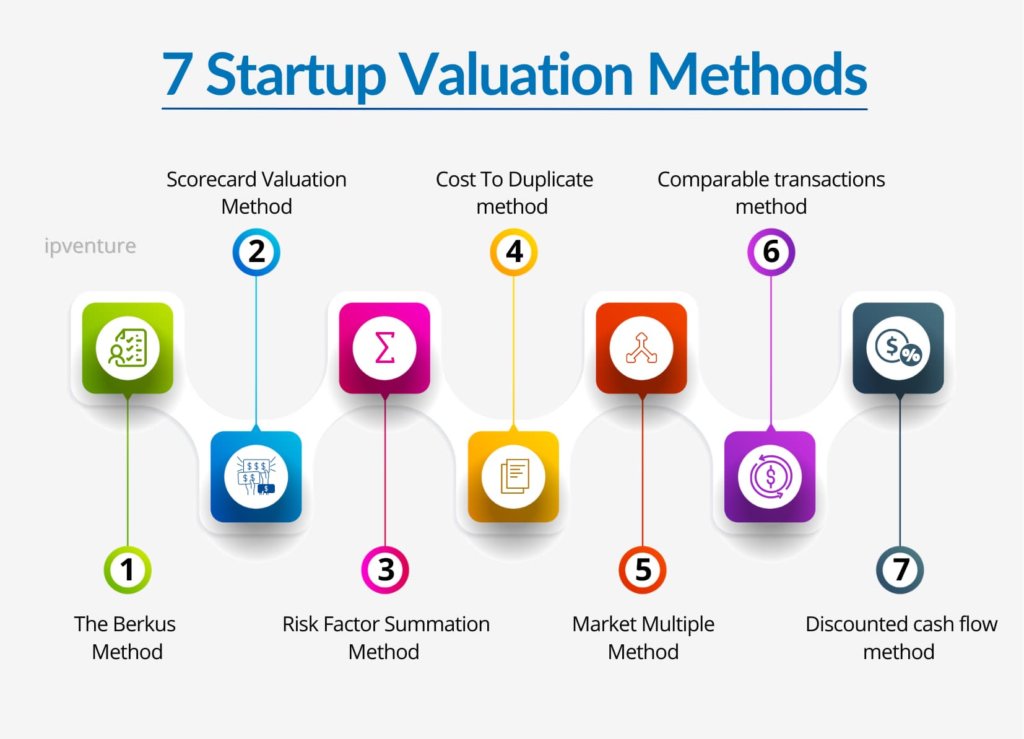
Now we will look unto how valuation is estimated
- Comparable Method
This is the most common methods among how valuation is estimated.
Investors compares startups with similar startup or we can say industry compare analysis.
for example: If a company like Razorpay is valued highly, other fintech startups may also get higher valuation.
- Discounted Cash Flow (DCF)
This method calculates Future cash flows = discounted to present value
This method is mostly used in finance such as calculating instrinsic value of a stock, we have given a breakdown of how intrinsic value is calculated, do checkout also.
It is used less in early stage startups because of predicting future income is difficult.
- Scorecard Method
Investors score startups based on
- team strength
- product
- market
- competition
Then they assign valuation accordingly.
- Venture Capital Method
This method works backwards.
Investor decides
- future company value
- expected return
Then calculates how much to invest and what percentage to take.
Reality of Startup Valuation
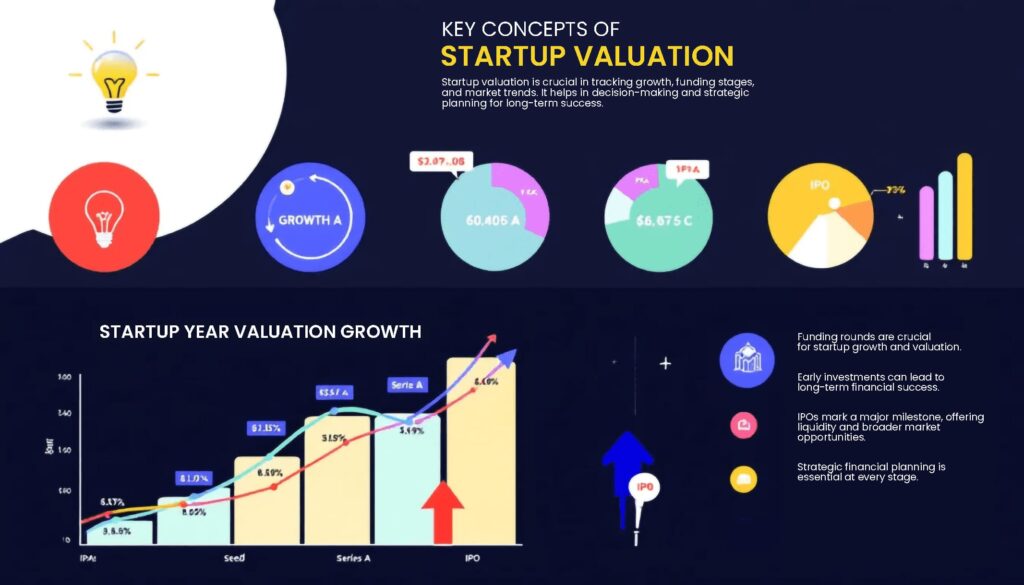
Valuation is mostly a belief or faith in startup, not a guarantee.
A Startup valued at ₹100 crore, may grow to ₹1000 crore or may fail completely. That's why investing in startups is risky.
Let's understand Startup valuation with an example,
You start a startup and the initial value is ₹5 crore and investor invest ₹1 crore. Post money valuation is ₹6 crore (Total)
Investor ownership is 16.6% and your ownership is 83.3%. If the startup grows to ₹100 crore then your share would be ₹83 crore (on paper).
This is how founders become wealthy. We have given a breakdown How Founders become rich blog, do checkout.
In conclusion:

Startup valuation is not just about numbers but about vision, growth and belief in future. Investors are not buying the startup but puts on the bet that this will be something big.
For beginners or founders, the most important thing is to focus on building the product/service rather than valuation.
As in the long run, strong businesses create strong valuation, not the other way around.